English
 Shqip
Shqip Deutsch
 Français
 Español
 Italiano
 Magyar
 Српски језик
 简体中文
简体中文
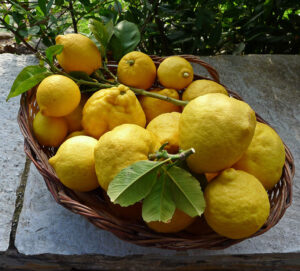
Lemon trees, with their vibrant yellow fruits, bring a touch of sunshine to any landscape. Wild lemons, particularly found in the south of Albania, have a unique charm that captivates both locals and visitors alike. Their fragrance, reminiscent of rosemary and citrus, fills the air and creates a delightful ambiance. Growing lemon trees in a family garden not only adds beauty, but also provides a source of fresh, zesty lemons for culinary adventures. The joy of harvesting these tangy fruits brings a sense of accomplishment and a connection to nature. So, why not embrace the allure of lemon trees and create your own citrus oasis?
Here in the south, around Saranda, the wild lemon trees are still in bloom and the rosemary blossoming with wasps smells wonderful.The tangerines are slowly ripening, just in time for the grape and pomegranate season. Agro-tourism is booming, it’s time for harvest and harvesting.In Albania, almost every traditional courtyard has lemon trees, pomegranate trees and olive trees, as well as a roof terrace with grapes. All of these are central to the design of the garden and the decoration of the buildings. The Albanian lemon is more thin-skinned, highly fragrant and less acidic, and is used not only in soups and seafood, but also in jams, marmalades, sorbets and other pastries. If we consider the cultural significance of lemons over time, they have somehow always been associated with the promise of material and social advancement.
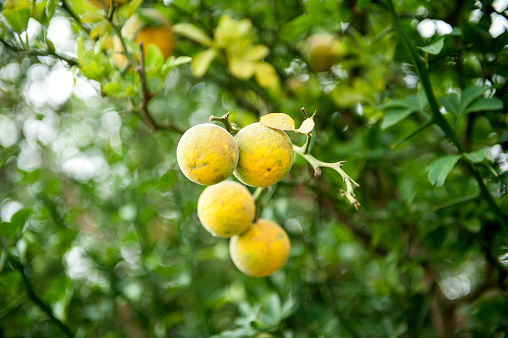
Wherever we jump back in history, lemons and citrus fruits have been status symbols.Citrus fruits were currency, they commanded respect and attention. There was a time when citrus fruits were valued as a true gold standard.Today, there are only a few places in Europe where citrus groves are as widespread as in the Mediterranean landscape, such as around Amalfi, Sicily or the Valencian plantations, but the citrus trail from South-East Asia to Europe is still preserved.
The lemon tree, a small evergreen tree of the flowering plant family, originated in Asia, mainly in north-east India (Assam) and northern Myanmar, and is native to China. Researchers at Tel Aviv University have also analysed everything from citrus literature , from ancient texts , art and artefacts to archaeobotanical remains such as pollen and seeds , to the conclusion of Dr Langgut that in the third and second centuries BC , the lemon spread from the Levant to the western Mediterranean .Lemons and citrus fruits were initially reserved exclusively for the Roman elite, who valued them for their medicinal properties, their pleasant smell, their flavour and their symbolic significance.
Researchers at Tel Aviv University have also analysed everything from citrus literature, ancient texts, art and artefacts to archaeobotanical remains such as pollen and seeds, and Dr Langgut has concluded that in the third and second centuries BC, lemons spread from the Levant to the western Mediterranean.
Lemons and citrus fruits were initially reserved exclusively for the Roman elite, who valued them for their medicinal properties, their pleasant smell, their flavour and their symbolic significance.
Oranges, lemons and pomelos were cash crops, grown on a cash basis, more than a millennium later, into the Middle Ages, and became available to more people, but the real breakthrough came with the advance of the Moors in Europe. The Islamic diet played a crucial role in the spread of cultivated citrus fruits in North Africa and Southern Europe.
If citrus fruits were valued for their social status, it’s worth looking at the history of the lemonade proverb.
“When life gives you lemons, make lemonade” was an aphorism coined all too often in 1915 by the Christian anarchist writer Elbert Hubbard, who was praising an actor’s positive attitude and determination in a less than successful play.
Dale Carnegie, who wrote the bestseller ‘How to Make Friends and Influence People’ in 1936, used the phrase ‘If you have lemons, make lemonade’. Which he used again in another popular book, How to Stop Worrying and Start Living, published in 1948.
For Dale Carnegie, the spotlight was on the slim and sturdy, or Perfect Lemon, and he used it as a symbol of widespread prosperity and optimism.
To this day, the term lemonade is popularised by contemporary writers and leaders, insta-stars and Pinterest devotees who proclaim eternal optimism while sipping on what has become cheap lemonade.
If you think about it, in today’s parlance, the 20th century ‘lemon’ as a sour fruit has become a bitter symbol of a life drained of its meaning, a bitter symbol of an undeserved existence, but for centuries it was originally seen as a beautiful, fragrant rare fruit by kings, queens and high priests.

If you think about it, in today’s parlance, the 20th century ‘lemon’ as a sour fruit has become a bitter symbol of a life drained of its meaning, a bitter symbol of an undeserved existence, but for centuries it was originally regarded by kings, queens and high priests as a beautiful, fragrant, rare fruit.
The lemon, as a once inaccessible colonial, rare commodity, has been unfairly degraded in mainstream welfare societies. It lost its value as a commodity. In times of general affluence, the lemon is no longer just about the privileged class, but also about the life that has been lived. It is like the Hungarian orange, or as the fox would say, sour grapes.
Like lemons, lemonade has lost its cultural significance over time. It had to be spiked with a little sugar. While the harmony of perfect and sweet sour flavours used to promise material and social uplift, nowadays only the taste of sugar remains in the juice. It has been repeatedly noted that food insecurity has been linked to higher levels of stress, anxiety, depression and poor mental health. It’s just that consumers are used to their tomatoes being perfectly round, their cucumbers only slightly curved and their bananas flawless.These expectations have raised the cost of fresh produce, and Albania is still the main fruit producer in Europe, but few people taste it