English
 Shqip
Shqip Deutsch
 Français
 Español
 Italiano
 Magyar
 Српски језик
 简体中文
简体中文
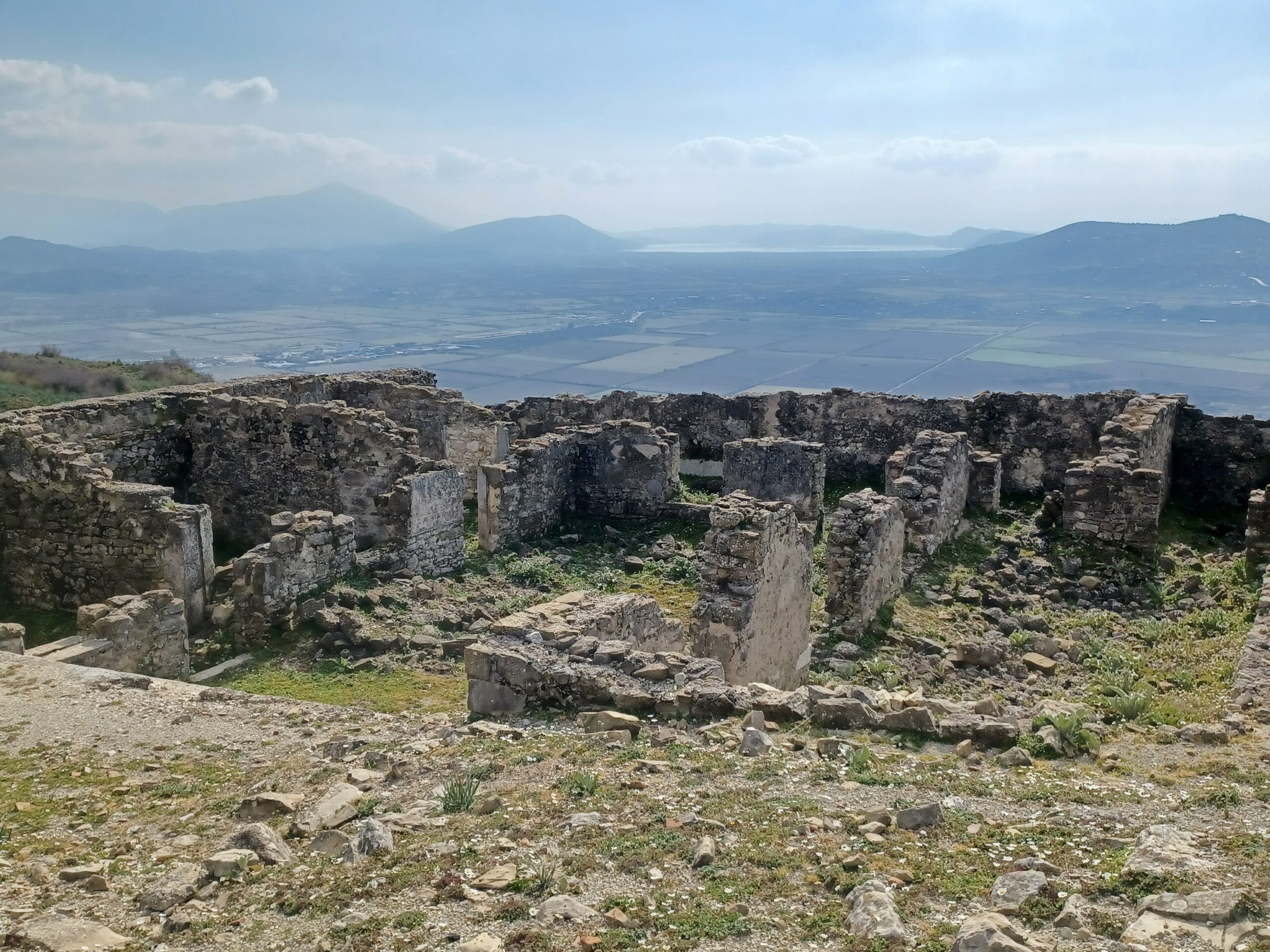
Driving through backcountry roads from Saranda we found an absolute historical gem here in southern Albania. We drove up a mountain road to the Finiq open air Archeological Museum. Abandoned military base in Finiq, Albania. Once an ancient Greek city on a hill, Phoenice was reappropriated as a military base in the 1950s under the rule of Enver Hoxha.
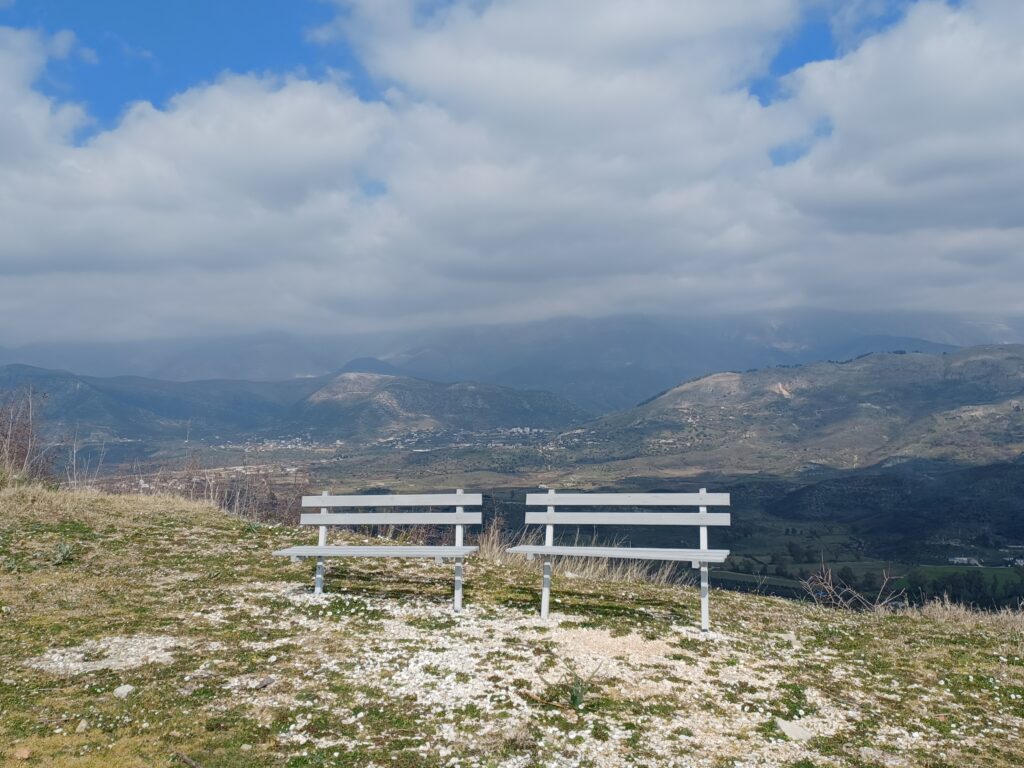
Phoenice
Phoenice or Phoenike (Ancient Greek: Φοινίκη) was an ancient Greek city in Epirus and capital of the Chaonians.
It is located high on an almost impregnable hill commanding the fertile valley below and near the modern town of the same name, Finiq, in southern Albania. It was the wealthiest city in Epirus and had the strongest walls until the Roman conquest. It was the location of the Treaty of Phoenice which ended the First Macedonian War. The city is part of an archaeological park.
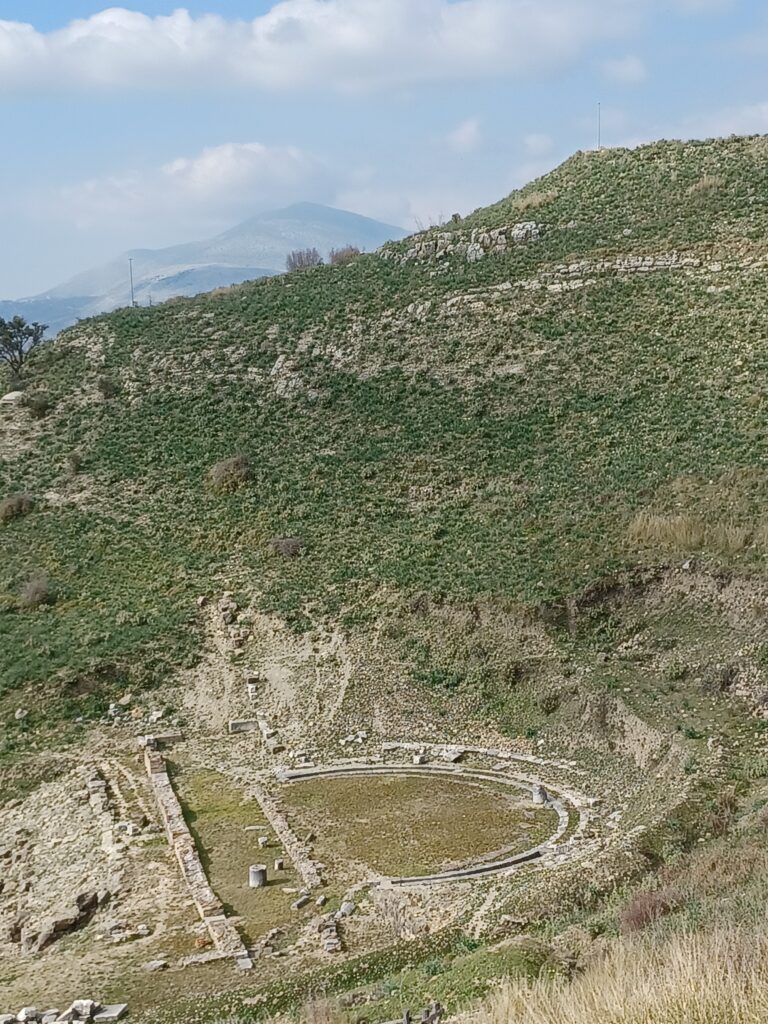
Excavations
Formal excavations in the area started in 1924 by an Italian Archaeological Mission as a political tool for Mussolini’s nationalistic ambitions to the east of the Adriatic.
During 1924–1928, French and Italian archaeologists found a few artifacts in Phoenice. In fact, the Italian mission headed by the fascist prehistorian,Luigi Ugolini, hoped that the prehistoric graves that would be discovered could be attributed to the Illyrians in order exploit Albanian nationalist sentiment, but the finds themselves were hardly stunning. Ugolini also stated that materials found there were related to the Iron Age culture of southern Italy. Ugolini’s thesis was later politically exploited by the totalitarian regime of Fascist Italy.
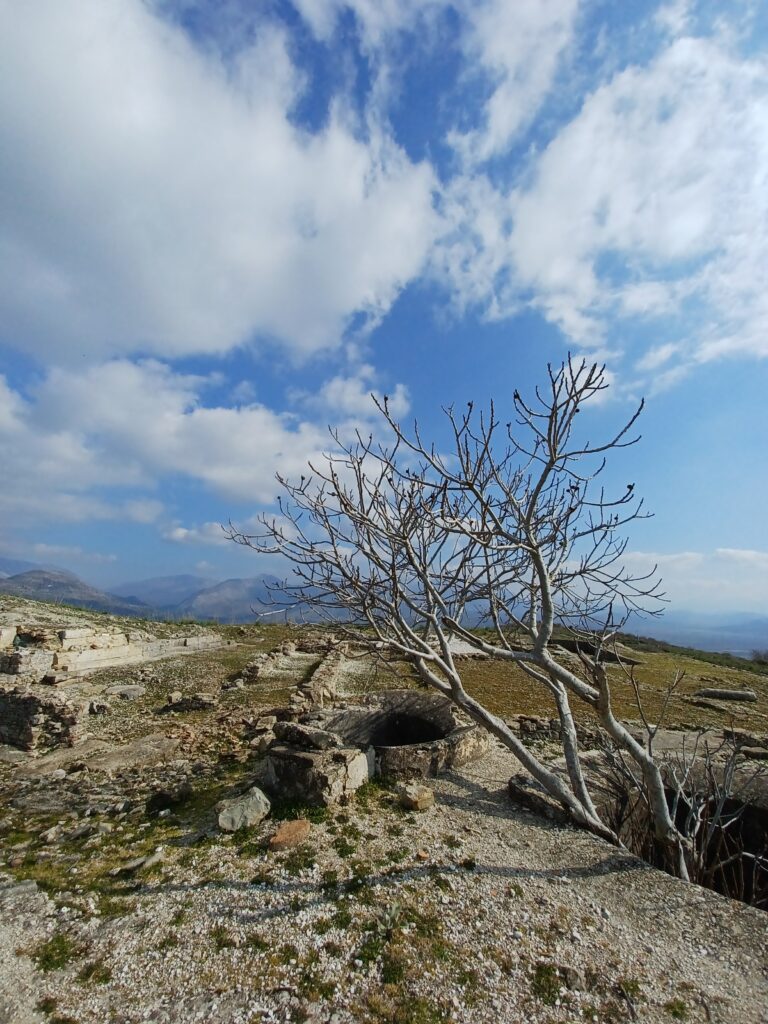
After 1928, excavations moved to the nearby archaeological sites of Kalivo and Çuka e Aitoit (or Mount Eagle) and continued until 1943.
After the war, excavations resumed in 1958 by a joint Albanian-USSR archaeological team, which included a thorough topographic survey and mapping. After 1961, when a political rift occurred between Albania and the USSR, excavations continued under Albanian authorities. A complete report of these excavations has not been published. Some parts of the work were published by Albanian archaeologists Bace and Bushati in 1989, reporting Hellenistic domiciles, Roman houses, and other finds dating from the 4th century BC to the 4th century AD.
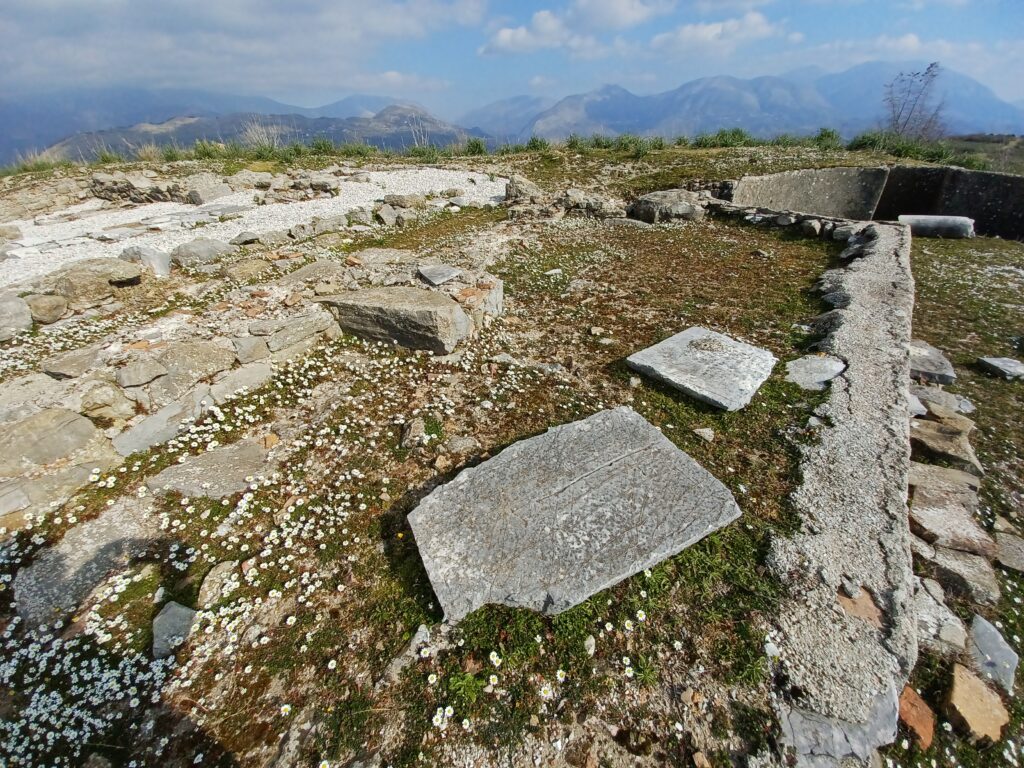
The authors identified three distinct structures, it has been suggested by them that this whole complex comprised a Prytaneion, serving visitors to the town, outside the principal enceinte. Those Albanian archaeologists found also the opportunity to strengthen the nationalistic paradigm of Illyrian-Albanian continuity by reporting similarities of these houses and the medieval Albanian ones. They also found an “egalitarian” nature among the excavated dwellings, in line with the philosophy of communist “self-reliance” promoted by the Albanian state during that period.
The bunkers and barracks are now abandoned, and they provide a great place enjoy the magnificent scenery